
Description
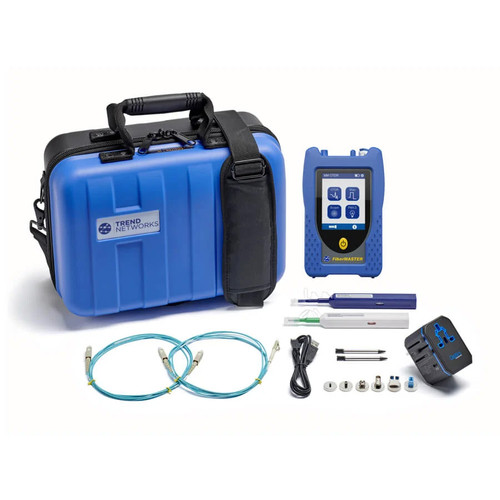
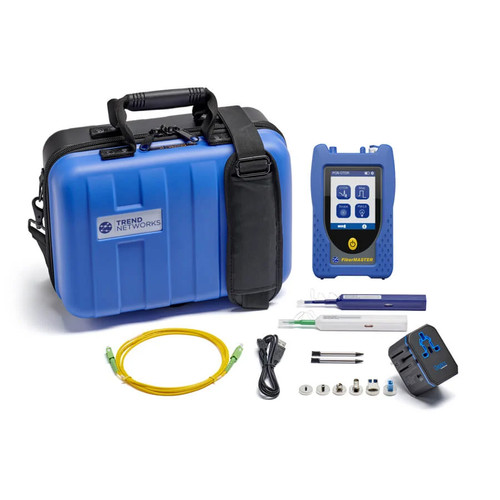
Traditionally, copper communication cables have been utilized for short distances in industrial and enterprise applications. However, when it comes to meeting the demands for higher bandwidth, fiber optic cables are increasingly required even in these short haul applications. Furthermore, installation of optical fibers requires clean working conditions, correct procedures and a fair amount of knowledge, and is particularly challenging in short haul applications with tight space limitations. Cleanliness, in particular, plays an important role in the optical fibers themselves. According to a study by NTT Advanced Network Technology, dirty fiber end surfaces or connectors are responsible for up to 96 percent of network failures. The FiberXpert OTDR 5000 detects fiber network components, faults, distance to fault, and can be connected to an optical fiber microscope critical to checking and proving cleanliness of end surfaces.