
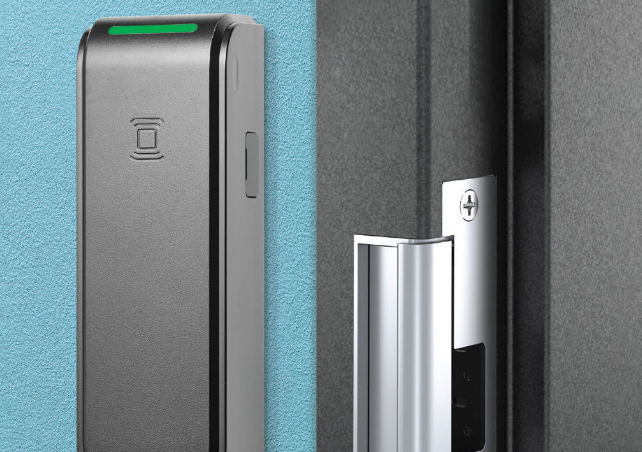
Understanding ASSA ABLOY Door Strikes and Their Role in Modern Access Control
In the world of physical security and access control, door strikes are critical components that often don’t get the attention they deserve. Among the leading names in the space, ASSA ABLOY stands out for its broad portfolio of door strikes designed to meet the demands of commercial, institutional, and high-security environments. But what exactly are door strikes, and why are ASSA ABLOY strikes important in the access control ecosystem? Let’s explore.
What Is a Door Strike?
A door strike—frequently called an electric strike—is an electromechanical device installed in the door frame that works with an access control system to secure a door. When the access control system sends an electrical signal (e.g., from a card reader, keypad, biometric reader, or mobile credential), the strike temporarily releases the latch or bolt, allowing the door to open without manually turning a key.
Door strikes serve a simple but vital role: they enable a secure, controlled entry point that integrates with electronic systems, replacing or supplementing traditional mechanical locks.
ASSA ABLOY’s Position in Access Control
ASSA ABLOY is a global leader in door opening solutions, offering a range of products from mechanical locks to advanced electronic access systems. Their door strikes are designed to integrate seamlessly with access control hardware and software, providing both flexibility and robust security.
Here are key ways ASSA ABLOY door strikes fit into modern access control:
1. Compatibility With Access Control Systems
ASSA ABLOY door strikes are engineered to work with a wide variety of access control technologies—such as RFID readers, PIN pads, biometric scanners, and mobile credentials. Whether you’re using a simple stand-alone controller or an enterprise-level access management platform, ASSA ABLOY strikes can support your system’s needs.
2. Multiple Operating Modes
Different security environments require different strike behaviors. ASSA ABLOY offers door strikes that support:
-
Fail-secure (locked on power loss) – maintains lock when power is lost, suitable for perimeter security.
-
Fail-safe (unlocked on power loss) – allows free egress in emergencies.
-
Selectable modes – configurable field options let installers choose the best mode for the environment.
This versatility ensures the hardware is appropriate across commercial offices, healthcare facilities, education campuses, and government buildings.
3. Enhanced Security Features
ASSA ABLOY incorporates features such as reinforced housings, anti-tamper mechanisms, and high holding forces to resist forced entry. Such attributes are critical in applications where security cannot be compromised, like data centers or secure labs.
4. Integration With Software and Monitoring
In a networked access control system, door strikes don’t just open and close—they report status. Many ASSA ABLOY strikes support monitoring signals that inform the access control system whether a door is closed, latched, or open. This real-time data feeds into security dashboards, alarms, and audit logs, enhancing situational awareness and compliance.
5. Future-Ready and Scalable
As access control moves toward cloud-based management and wireless locks, ASSA ABLOY continues adapting its strikes to fit hybrid infrastructures. Whether retrofitting an existing building or deploying a new campus-wide system, their solutions scale with organizational growth.
Final Thoughts
Door strikes might be unseen, but they are indispensable in any electronic access control strategy. ASSA ABLOY’s portfolio delivers quality, compatibility, and security that align with modern demands. By combining robust hardware with flexible integration options, ASSA ABLOY door strikes help organizations secure entrances without sacrificing usability—making them a smart choice for access control professionals everywhere.