
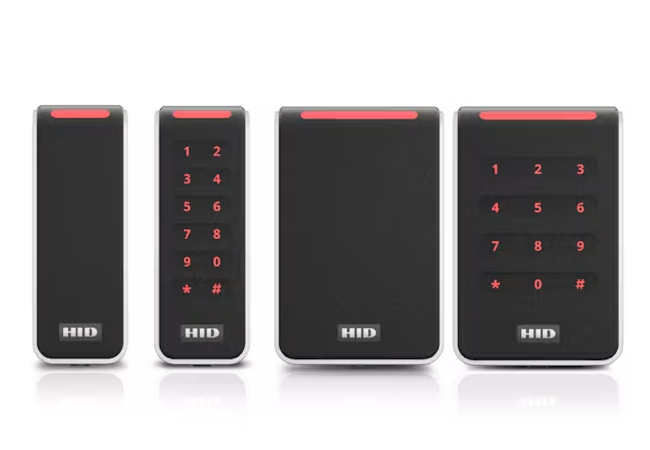
HID Card Readers: A Cornerstone of Modern Security Systems
In today's increasingly interconnected and security-conscious world, organizations are placing a premium on access control solutions that are not only reliable but scalable and secure. At the forefront of this are HID card readers — devices that have become synonymous with secure, efficient, and flexible access control. Whether in corporate offices, healthcare institutions, educational campuses, or government facilities, HID card readers serve as a critical line of defense against unauthorized access and internal threats.
What Are HID Card Readers?
HID (short for Hughes Identification Devices) card readers are devices that read credentials stored on access cards, such as proximity cards, smart cards, or mobile credentials. These readers communicate with control systems to verify and authenticate user identities, allowing or denying access based on preset permissions. With a broad range of reader types and communication technologies (including 125 kHz, 13.56 MHz, and Bluetooth), HID readers are designed to meet the needs of virtually any security environment.
Why Are They Important to the Security Industry?
-
Enhanced Access Control
HID card readers play a fundamental role in limiting physical access to buildings, rooms, and even specific equipment. By requiring credentials for entry, organizations can ensure that only authorized individuals are allowed into secure areas. This not only protects sensitive data and assets but also improves personnel safety. -
Scalability and Integration
One of the key advantages of HID readers is their scalability. From small businesses to multinational corporations, these systems can grow alongside an organization. Moreover, HID readers can be integrated with other security infrastructure — such as video surveillance, alarm systems, and time-and-attendance platforms — creating a comprehensive and cohesive security ecosystem. -
Data Security and Encryption
Modern HID card readers support encrypted communication protocols that safeguard against credential cloning, eavesdropping, and spoofing. Technologies like Seos® and iCLASS SE® provide an additional layer of protection, making it extremely difficult for bad actors to compromise access credentials. -
User Convenience
While offering robust security, HID readers also provide a high degree of user convenience. Mobile access, for instance, allows users to unlock doors using their smartphones — reducing the need for physical cards and enhancing user experience. Contactless card readers also facilitate fast and hygienic access, especially valuable in post-pandemic environments. -
Audit Trails and Compliance
HID-enabled systems often log every access event, enabling administrators to monitor and audit usage in real time. This not only supports internal accountability but helps organizations comply with regulations such as HIPAA, PCI-DSS, and GDPR.
Conclusion
HID card readers have become an indispensable component of modern security strategies. Their reliability, adaptability, and focus on both safety and user experience make them an ideal solution for organizations striving to protect their people, data, and assets. As security threats continue to evolve, so too does the technology behind HID readers — ensuring that the industry stays one step ahead of potential risks.